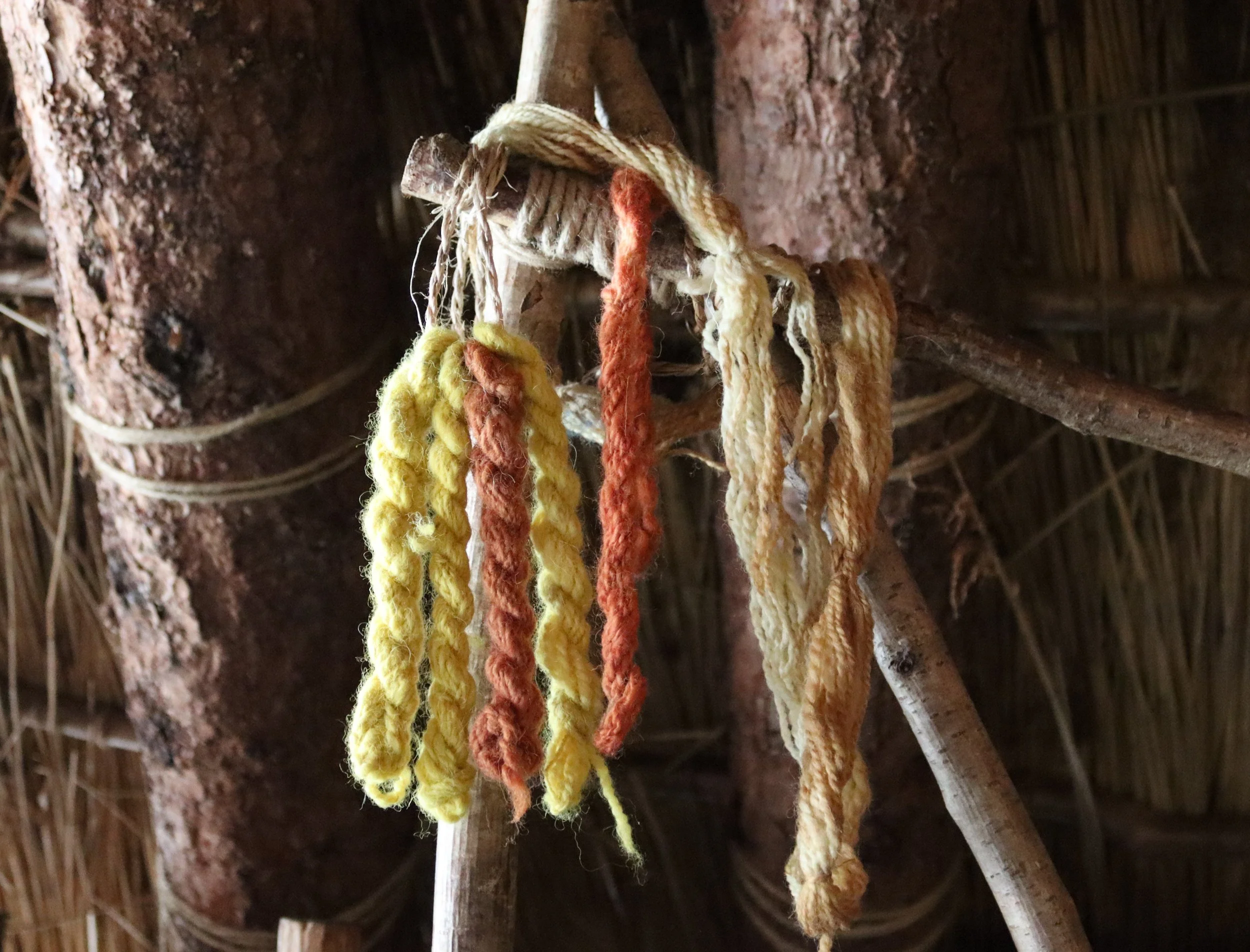
Scottish Crannog Centre & History
I was lucky enough to finally visit the Scottish Crannog Centre in Perthshire. They are located on the beautiful shores of Loch Tay and have re-created an iron age village on the banks of the loch. If you are a history lover like me then you will love this place.
This post will showcase what a Crannog actually is and how people lived in them thousands of years ago.
At the bottom of this post I will detail about how to get there. Please note all of these images are my own work.
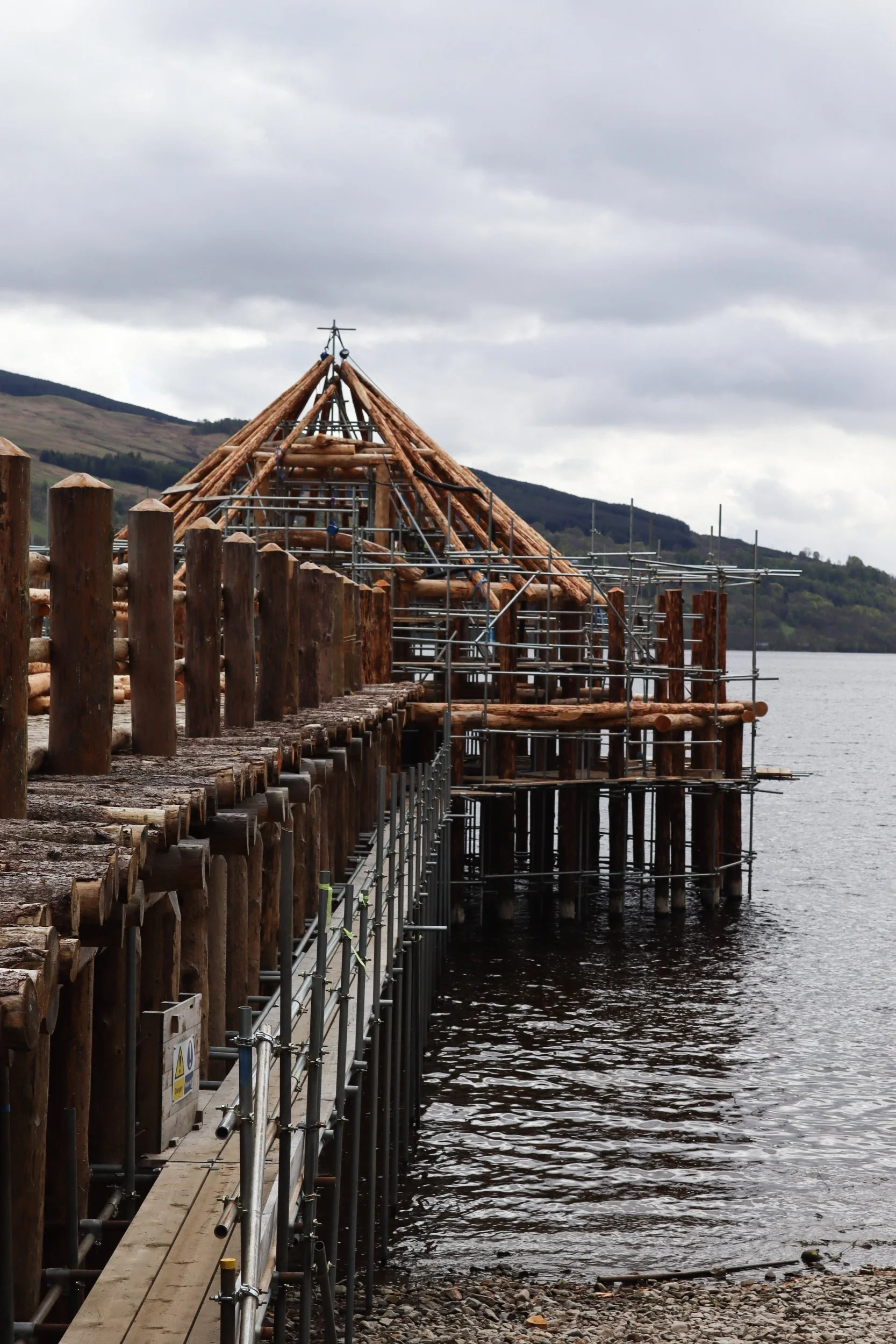
What is a Crannog?
They are Iron Age loch-dwellings known as “Crannog” that are artificially made and positioned over water, in this case on Loch Tay.
There are around 600 identified crannogs and related sites recorded throughout Scotland and eighteen of these crannogs have been found on Loch Tay in Perthshire.
Research shows clear evidence that people lived on these man made dwellings and that the roundhouse structures were home to their cattle and sheep too. The crannog would have been the centre of iron age farming and could be used to defend themselves and their precious livestock from passing raiders.
Remarkably the organic material is very well preserved and shows us what life was like in Scotland. The first crannogs were built in the early iron age (800-400BC) and continued right through to 400AD. Although evidence shows that Crannogs continued to be used in Scotland for another 1,500 years. In the Outer Hebrides in particular some date back to Neolithic times.
Archaeologists have managed to recover food items (butter) , utensils, tools and some of their clothing. The Crannog centre actually has a piece of textile that would have been made in 390BC. The piece was discovered in 1979 and is quite unusual, the fabric has a distinctive 2/1 twill weave. This method of weaving was a bronze age innovation and most likely would have been weaved with a loom. I will link the blog post from the Crannog centre here:
https://crannog.co.uk/blog/whats-happening-blogs/rare-iron-age-textile-on-display/
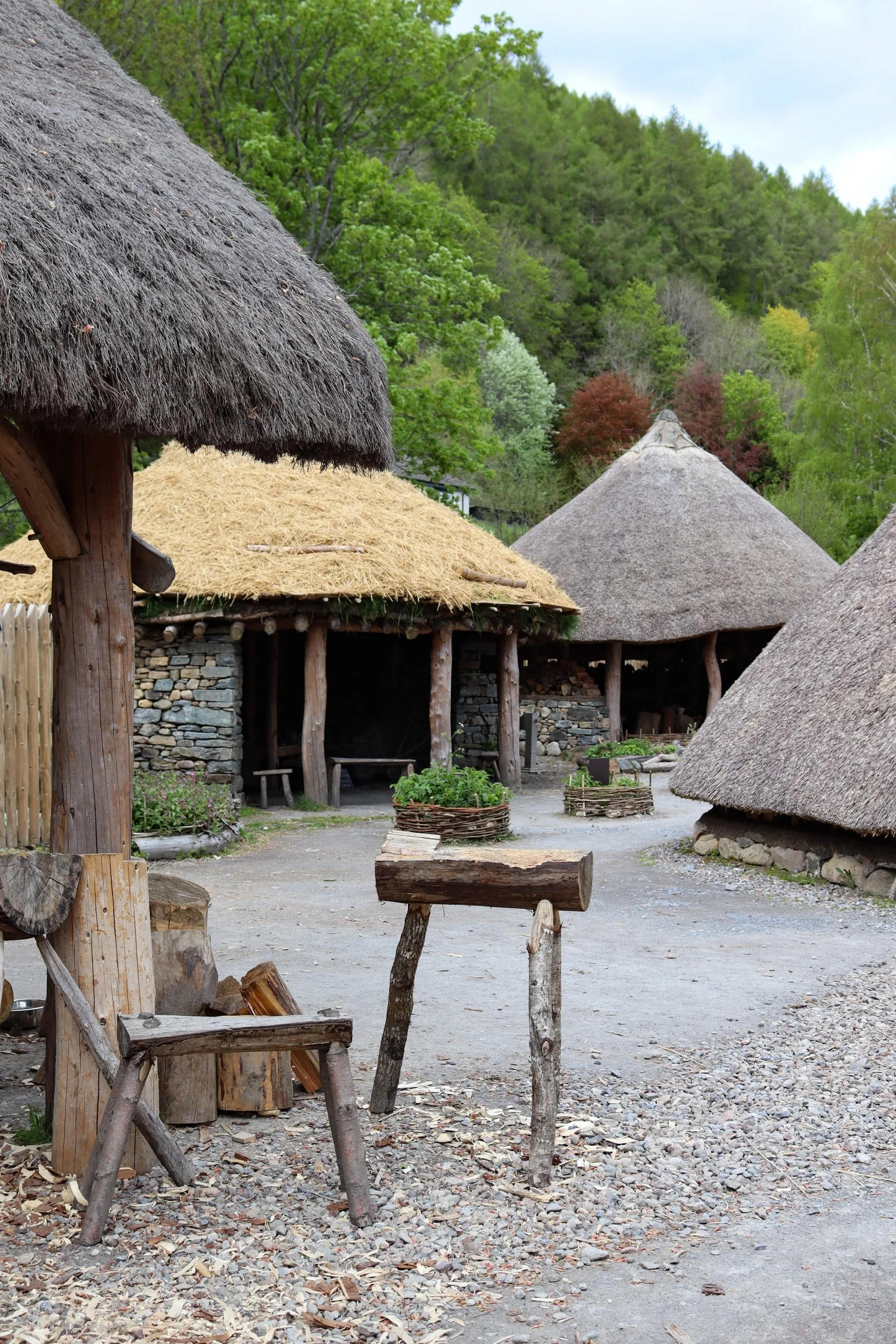
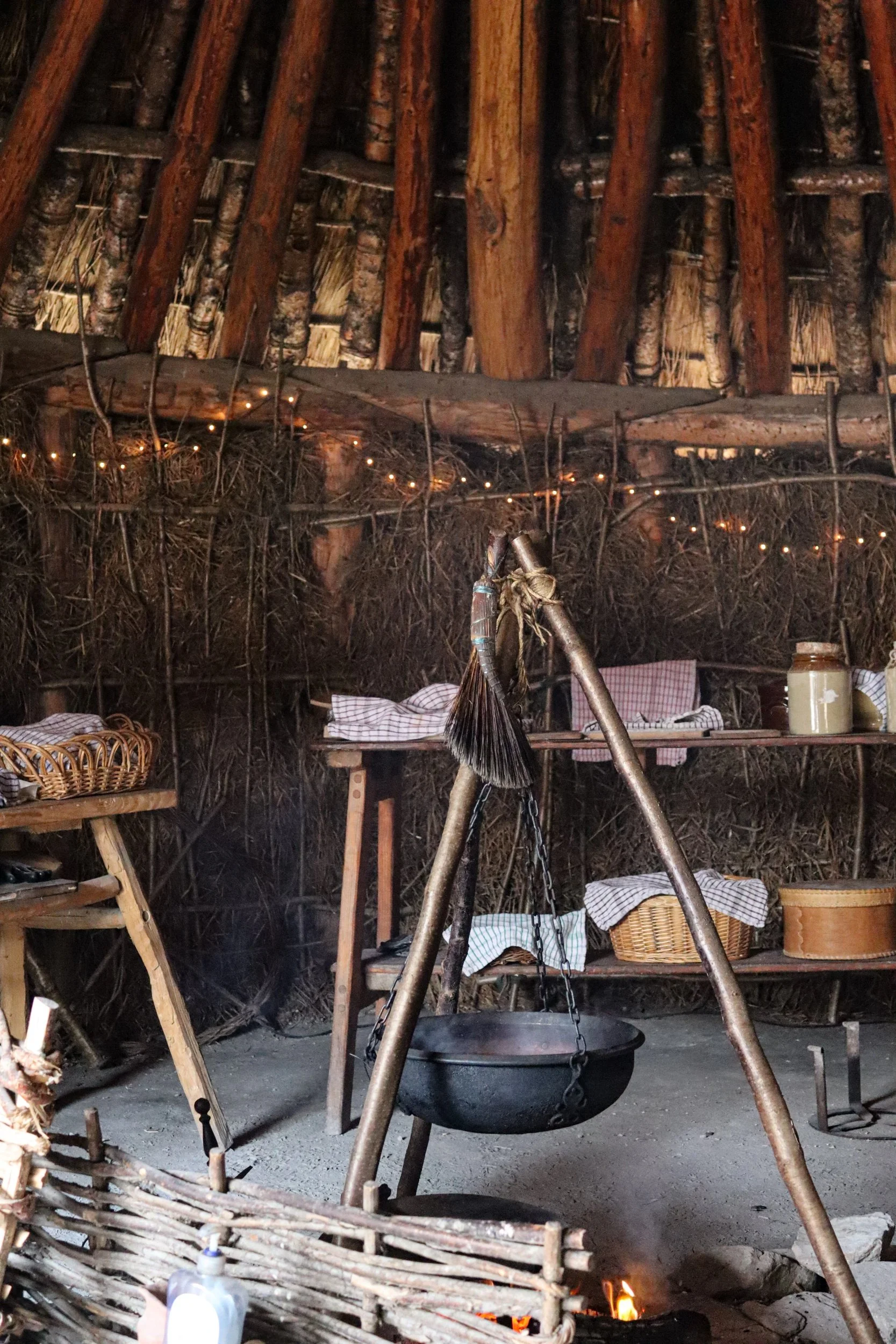
People living in these structures would have had their food supply from local woodlands nearby, roaming boars and birds would be hunted and berries and other fruits would have provided sustenance. In terms of farming, their flock of sheep would likely have grazed on nearby pastures. The sheep at the time would have had a short fleece which would have created smooth yarn for weaving.
If you want to be kept updated about the Crannogs across Scotland, North of Scotland Archaeological Society have an ongoing project.
The project aim is to build up a database of the location of crannogs in the Highlands and to investigate a select few in greater detail.
On their website there is an interactive map too of all the different locations.
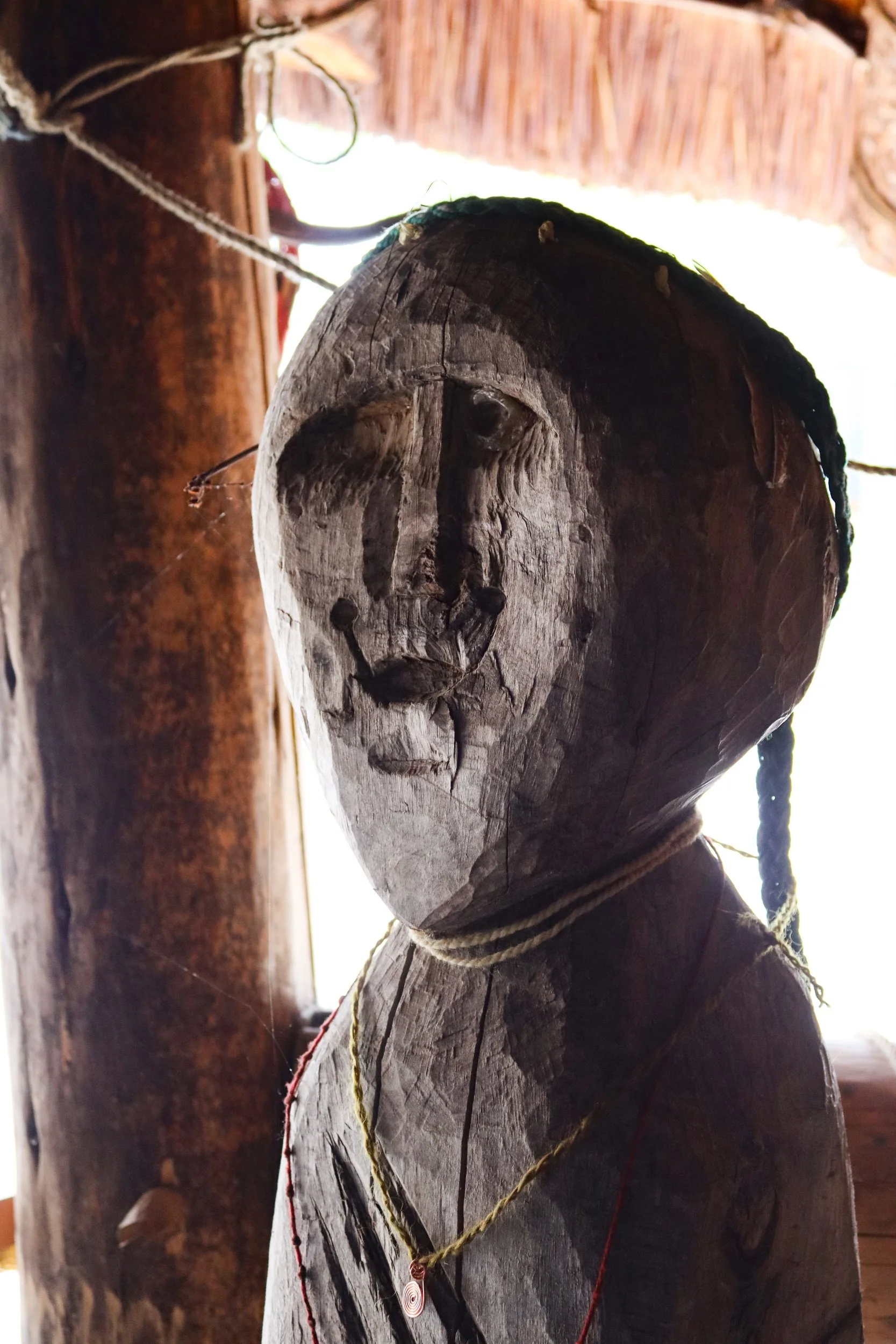
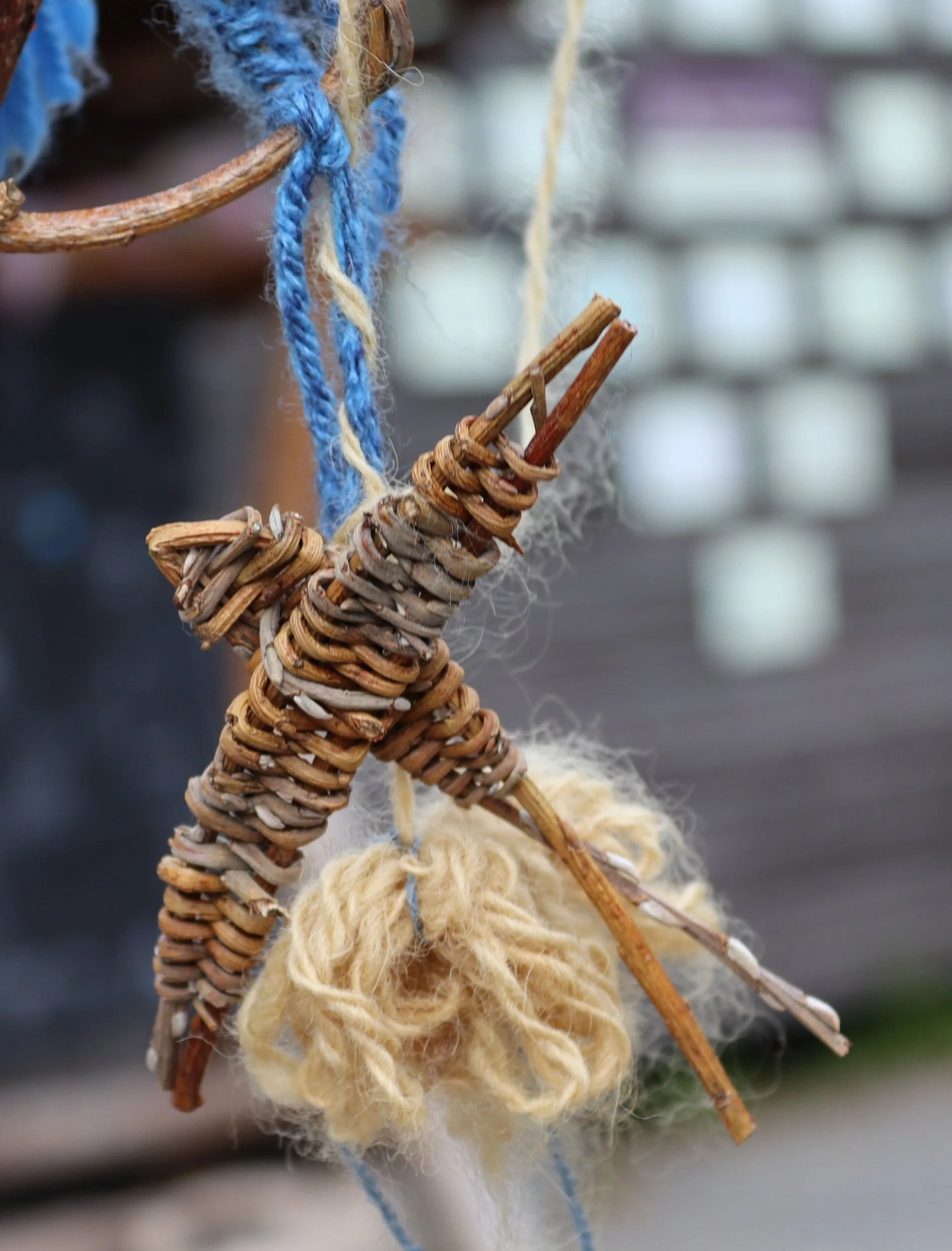
Visiting the centre
They are open from 10am-6pm Last guided museum tour at 4pm
Entrance fee (2026) £16.50
When you visit the Crannog centre, your ticket cost also includes a guided tour of the museum and you can see the found artefacts up close. On site there is a cafe and small gift shop. Outside near the carpark there is a few picnic benches so you could take a picnic.
Getting there: The Crannog centre is on the shores of Loch Tay. Take the A827 road west towards Kenmore if you are travelling from Aberfeldy.